Our Three Step Process
March 6, 2025
When Creativity Hits the Pinoy Streets ft. GIGIL Guerilla Ads
Our Three Step Process
March 6, 2025
When Creativity Hits the Pinoy Streets ft. GIGIL Guerilla Ads
“KakaGIGIL, hindi naman pala totoo!” This statement is probably encountered multiple times in the comment sections of GIGIL Advertising. Remember Netflix's spooky Trese cctv-footage and ruined billboard ad? the “Missing MOA Globe” of Netflix’s Red Notice campaign? Or maybe the controversial Gil Tulog to Gil Puyat Street Signage ad for Wellspring? One of these may have come across your feed and all for sure would have sparked some “Ohhh” and “AHHH!” moment for you. This bold, witty, and unconventional approach done by GIGIL is called Guerilla Advertising, thriving on surprise, creativity and emotional impact.
What Is Guerrilla Marketing?
Developed by Jay Conrad Levinson in the 1980s, guerrilla marketing emphasizes cost-effective, high-impact strategies aimed at generating excitement. Rather than relying on large budgets, it utilizes creativity and surprising placements. The objective is to provide audiences with a memorable brand experience and this is what GIGIL has been doing for quite some time. Here are some of their groundbreaking campaigns:
1. Netflix’s Red Notice: Biggest Heist of the Decade?
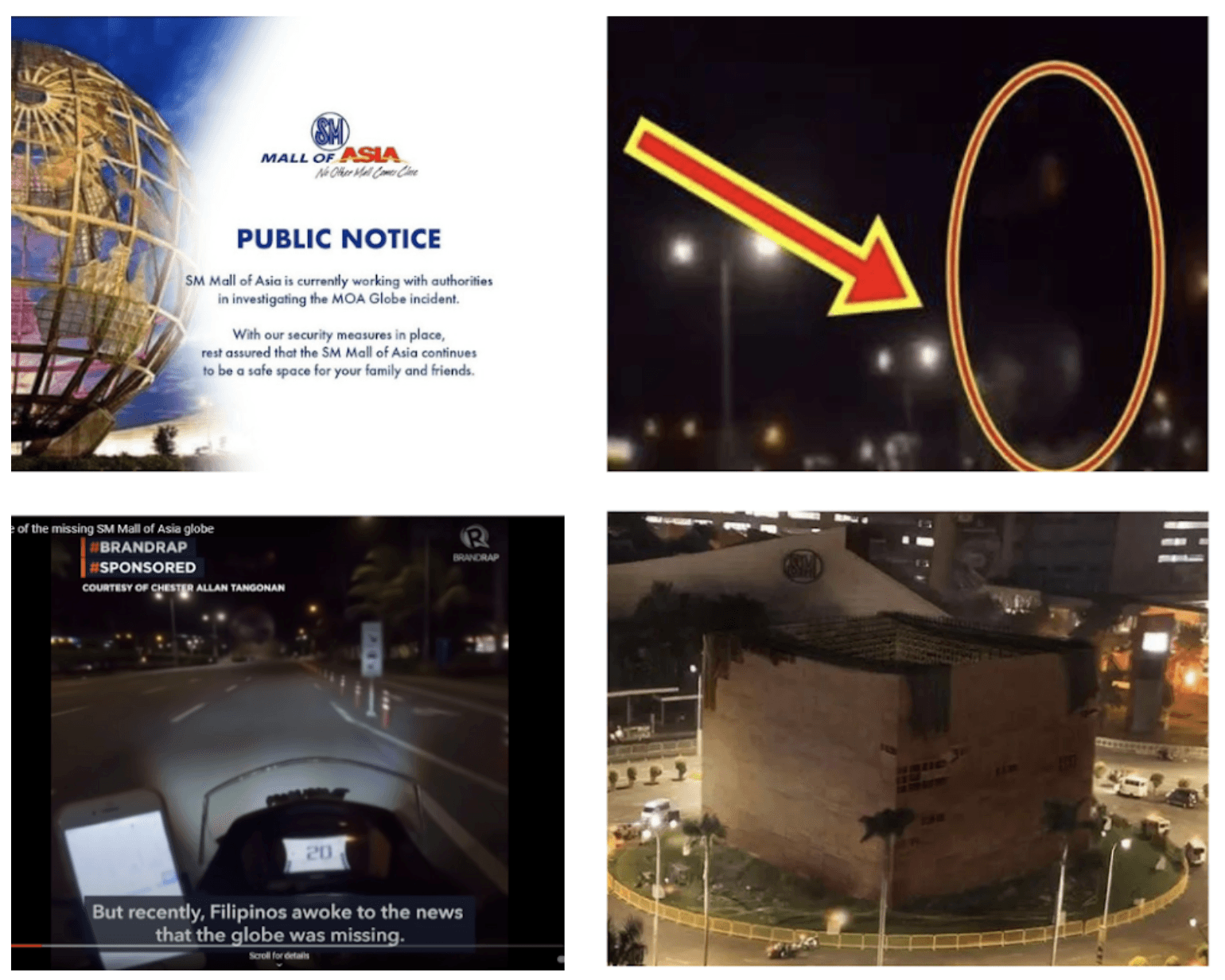
To promote Netflix’s film Red Notice in the Philippines, ad agency GIGIL executed a daring stunt dubbed “Globe”, where the SM Mall of Asia’s iconic 100-foot, 450-ton SM MOA Globe was seemingly “stolen.” A fake construction site covered the globe, manipulated photos and videos spread online as if a helicopter had lifted it away, and the void was confirmed by SM itself. After 8 hours, the stunt was revealed: the “thieves” were the film’s characters, tying into Red Notice’s heist theme. The campaign generated massive buzz: #1 trending topic on Twitter for 12 hours; 1.3 million engagements; about USD 602,000 in earned media; and thousands of memes.
2. Netflix’s Trese: Aswang Vandal
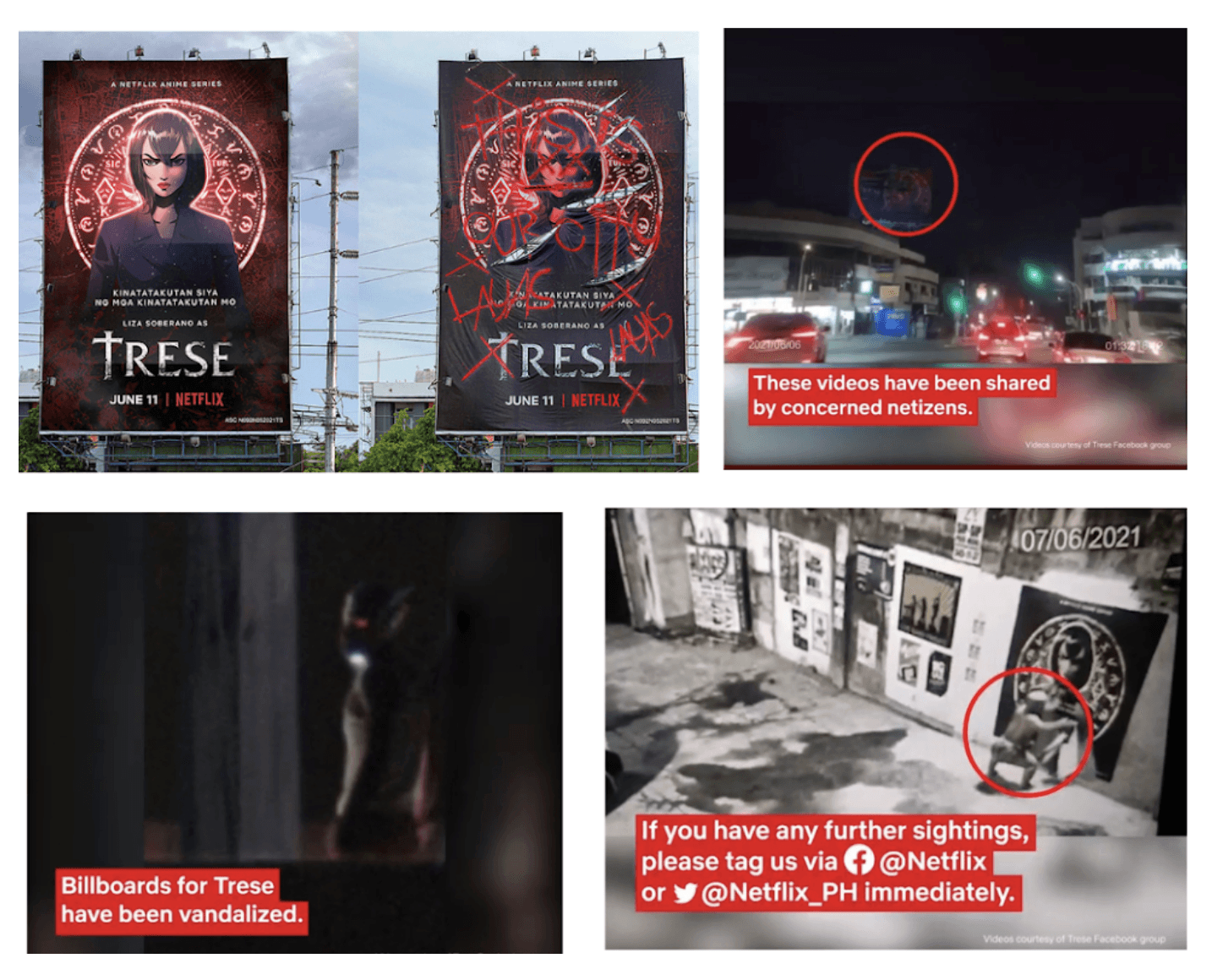
To promote the Netflix animated series Trese, GIGIL launched a dark, supernatural guerrilla marketing push across Manila. They staged vandalised “Trese” billboards, blamed fictional creatures like aswangs and tiyanaks, released staged CCTV-style videos of monsters destroying posters, and hijacked the narrative around a typhoon-related removal of billboards to suggest the creatures themselves had sabotaged them. The strategy was meant to blur lines between fiction and reality, fuel mystery, and generate shareable buzz. The campaign was bigsplash, risky, and succeeded in making Trese a hot topic ahead of its launch.
Wellspring: Controversial Gil Puyat-Tulog Avenue
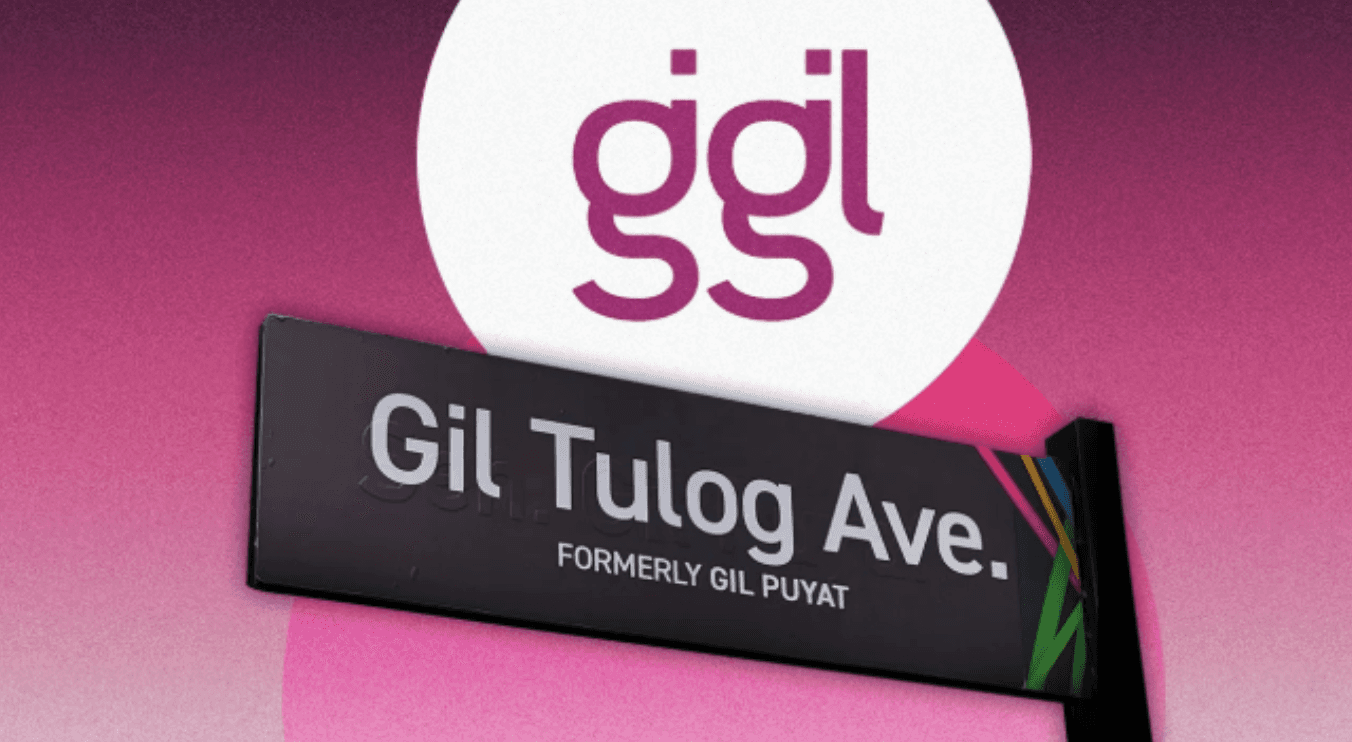
In July 2024, ad agency Gigil launched a publicity stunt for melatonin supplement brand Wellspring that replaced street signs along Makati’s Gil Puyat Avenue with ones reading “Gil Tulog Avenue” (a wordplay: “puyat” means sleep-deprived, “tulog” means sleep) to highlight sleep importance. The move drew sharp backlash: descendants of former Senator Gil Puyat called it disrespectful and filed a complaint with the Ad Standards Council, citing violation of its Code of Ethics. The signs were quickly taken down; both Wellspring and Gigil issued apologies, and Makati City reprimanded officials for permitting it without proper oversight
Why it Works
Emotional Connection – People remember how brands make them feel, not just what they sell.
Shareability – In the age of Instagram and TikTok, creative stunts spread faster than any billboard.
Cost Efficiency – Many guerrilla campaigns cost far less than traditional media buys.
Memorable Impact – A surprising experience has a stronger recall value than a generic ad.
Risks and Ethical Considerations
GIGIL’s “Gil Tulog” stunt shows what can go wrong if there’s insufficient sensitivity and stakeholder consultation:
Cultural or Historical Insensitivity: Altering street names tied to a respected historical figure upset many.
Legal / Permits: Local government or city authorities need to be part of the loop; failing to get proper permissions leads to backlash.
Brand Reputation: If perceived as disrespectful or offensive, a campaign may damage brand credibility.
Regulatory Body Reactions: GIGIL faced complaints to the Ad Standards Council. Public apologies were necessary.
The Takeaway
Guerrilla marketing proves that creativity can outshine budget when done thoughtfully. From GIGIL’s successes:
Bold, culturally rooted ideas can create a huge impact.
Even controversial stunts can deliver awareness (though not always positive).
Preparation matters: permissions, sensitivity, anticipating reactions.
In an era where attention is the most valuable currency, guerrilla marketing shows that sometimes, the best strategy is to surprise people in their everyday lives — but surprise that respects people, history, and context.
Written by Francene Angela Baldeo
What Is Guerrilla Marketing?
Developed by Jay Conrad Levinson in the 1980s, guerrilla marketing emphasizes cost-effective, high-impact strategies aimed at generating excitement. Rather than relying on large budgets, it utilizes creativity and surprising placements. The objective is to provide audiences with a memorable brand experience and this is what GIGIL has been doing for quite some time. Here are some of their groundbreaking campaigns:
1. Netflix’s Red Notice: Biggest Heist of the Decade?
To promote Netflix’s film Red Notice in the Philippines, ad agency GIGIL executed a daring stunt dubbed “Globe”, where the SM Mall of Asia’s iconic 100-foot, 450-ton SM MOA Globe was seemingly “stolen.” A fake construction site covered the globe, manipulated photos and videos spread online as if a helicopter had lifted it away, and the void was confirmed by SM itself. After 8 hours, the stunt was revealed: the “thieves” were the film’s characters, tying into Red Notice’s heist theme. The campaign generated massive buzz: #1 trending topic on Twitter for 12 hours; 1.3 million engagements; about USD 602,000 in earned media; and thousands of memes.
2. Netflix’s Trese: Aswang Vandal
To promote the Netflix animated series Trese, GIGIL launched a dark, supernatural guerrilla marketing push across Manila. They staged vandalised “Trese” billboards, blamed fictional creatures like aswangs and tiyanaks, released staged CCTV-style videos of monsters destroying posters, and hijacked the narrative around a typhoon-related removal of billboards to suggest the creatures themselves had sabotaged them. The strategy was meant to blur lines between fiction and reality, fuel mystery, and generate shareable buzz. The campaign was bigsplash, risky, and succeeded in making Trese a hot topic ahead of its launch.
Wellspring: Controversial Gil Puyat-Tulog Avenue
In July 2024, ad agency Gigil launched a publicity stunt for melatonin supplement brand Wellspring that replaced street signs along Makati’s Gil Puyat Avenue with ones reading “Gil Tulog Avenue” (a wordplay: “puyat” means sleep-deprived, “tulog” means sleep) to highlight sleep importance. The move drew sharp backlash: descendants of former Senator Gil Puyat called it disrespectful and filed a complaint with the Ad Standards Council, citing violation of its Code of Ethics. The signs were quickly taken down; both Wellspring and Gigil issued apologies, and Makati City reprimanded officials for permitting it without proper oversight
Why it Works
Emotional Connection – People remember how brands make them feel, not just what they sell.
Shareability – In the age of Instagram and TikTok, creative stunts spread faster than any billboard.
Cost Efficiency – Many guerrilla campaigns cost far less than traditional media buys.
Memorable Impact – A surprising experience has a stronger recall value than a generic ad.
Risks and Ethical Considerations
GIGIL’s “Gil Tulog” stunt shows what can go wrong if there’s insufficient sensitivity and stakeholder consultation:
Cultural or Historical Insensitivity: Altering street names tied to a respected historical figure upset many.
Legal / Permits: Local government or city authorities need to be part of the loop; failing to get proper permissions leads to backlash.
Brand Reputation: If perceived as disrespectful or offensive, a campaign may damage brand credibility.
Regulatory Body Reactions: GIGIL faced complaints to the Ad Standards Council. Public apologies were necessary.
The Takeaway
Guerrilla marketing proves that creativity can outshine budget when done thoughtfully. From GIGIL’s successes:
Bold, culturally rooted ideas can create a huge impact.
Even controversial stunts can deliver awareness (though not always positive).
Preparation matters: permissions, sensitivity, anticipating reactions.
In an era where attention is the most valuable currency, guerrilla marketing shows that sometimes, the best strategy is to surprise people in their everyday lives — but surprise that respects people, history, and context.
Written by Francene Angela Baldeo
“KakaGIGIL, hindi naman pala totoo!” This statement is probably encountered multiple times in the comment sections of GIGIL Advertising. Remember Netflix's spooky Trese cctv-footage and ruined billboard ad? the “Missing MOA Globe” of Netflix’s Red Notice campaign? Or maybe the controversial Gil Tulog to Gil Puyat Street Signage ad for Wellspring? One of these may have come across your feed and all for sure would have sparked some “Ohhh” and “AHHH!” moment for you. This bold, witty, and unconventional approach done by GIGIL is called Guerilla Advertising, thriving on surprise, creativity and emotional impact.
What Is Guerrilla Marketing?
Developed by Jay Conrad Levinson in the 1980s, guerrilla marketing emphasizes cost-effective, high-impact strategies aimed at generating excitement. Rather than relying on large budgets, it utilizes creativity and surprising placements. The objective is to provide audiences with a memorable brand experience and this is what GIGIL has been doing for quite some time. Here are some of their groundbreaking campaigns:
1. Netflix’s Red Notice: Biggest Heist of the Decade?
To promote Netflix’s film Red Notice in the Philippines, ad agency GIGIL executed a daring stunt dubbed “Globe”, where the SM Mall of Asia’s iconic 100-foot, 450-ton SM MOA Globe was seemingly “stolen.” A fake construction site covered the globe, manipulated photos and videos spread online as if a helicopter had lifted it away, and the void was confirmed by SM itself. After 8 hours, the stunt was revealed: the “thieves” were the film’s characters, tying into Red Notice’s heist theme. The campaign generated massive buzz: #1 trending topic on Twitter for 12 hours; 1.3 million engagements; about USD 602,000 in earned media; and thousands of memes.
2. Netflix’s Trese: Aswang Vandal
To promote the Netflix animated series Trese, GIGIL launched a dark, supernatural guerrilla marketing push across Manila. They staged vandalised “Trese” billboards, blamed fictional creatures like aswangs and tiyanaks, released staged CCTV-style videos of monsters destroying posters, and hijacked the narrative around a typhoon-related removal of billboards to suggest the creatures themselves had sabotaged them. The strategy was meant to blur lines between fiction and reality, fuel mystery, and generate shareable buzz. The campaign was bigsplash, risky, and succeeded in making Trese a hot topic ahead of its launch.
Wellspring: Controversial Gil Puyat-Tulog Avenue
In July 2024, ad agency Gigil launched a publicity stunt for melatonin supplement brand Wellspring that replaced street signs along Makati’s Gil Puyat Avenue with ones reading “Gil Tulog Avenue” (a wordplay: “puyat” means sleep-deprived, “tulog” means sleep) to highlight sleep importance. The move drew sharp backlash: descendants of former Senator Gil Puyat called it disrespectful and filed a complaint with the Ad Standards Council, citing violation of its Code of Ethics. The signs were quickly taken down; both Wellspring and Gigil issued apologies, and Makati City reprimanded officials for permitting it without proper oversight
Why it Works
Emotional Connection – People remember how brands make them feel, not just what they sell.
Shareability – In the age of Instagram and TikTok, creative stunts spread faster than any billboard.
Cost Efficiency – Many guerrilla campaigns cost far less than traditional media buys.
Memorable Impact – A surprising experience has a stronger recall value than a generic ad.
Risks and Ethical Considerations
GIGIL’s “Gil Tulog” stunt shows what can go wrong if there’s insufficient sensitivity and stakeholder consultation:
Cultural or Historical Insensitivity: Altering street names tied to a respected historical figure upset many.
Legal / Permits: Local government or city authorities need to be part of the loop; failing to get proper permissions leads to backlash.
Brand Reputation: If perceived as disrespectful or offensive, a campaign may damage brand credibility.
Regulatory Body Reactions: GIGIL faced complaints to the Ad Standards Council. Public apologies were necessary.
The Takeaway
Guerrilla marketing proves that creativity can outshine budget when done thoughtfully. From GIGIL’s successes:
Bold, culturally rooted ideas can create a huge impact.
Even controversial stunts can deliver awareness (though not always positive).
Preparation matters: permissions, sensitivity, anticipating reactions.
In an era where attention is the most valuable currency, guerrilla marketing shows that sometimes, the best strategy is to surprise people in their everyday lives — but surprise that respects people, history, and context.
Written by Francene Angela Baldeo
Other Blogs
Other Blogs
Check our other project Blogs with useful insight and information for your businesses
Other Blogs
Other Blogs
Check our other project Blogs with useful insight and information for your businesses


Other Blogs
Other Blogs
Check our other project Blogs with useful insight and information for your businesses